だるまさんが
0–3 yrs
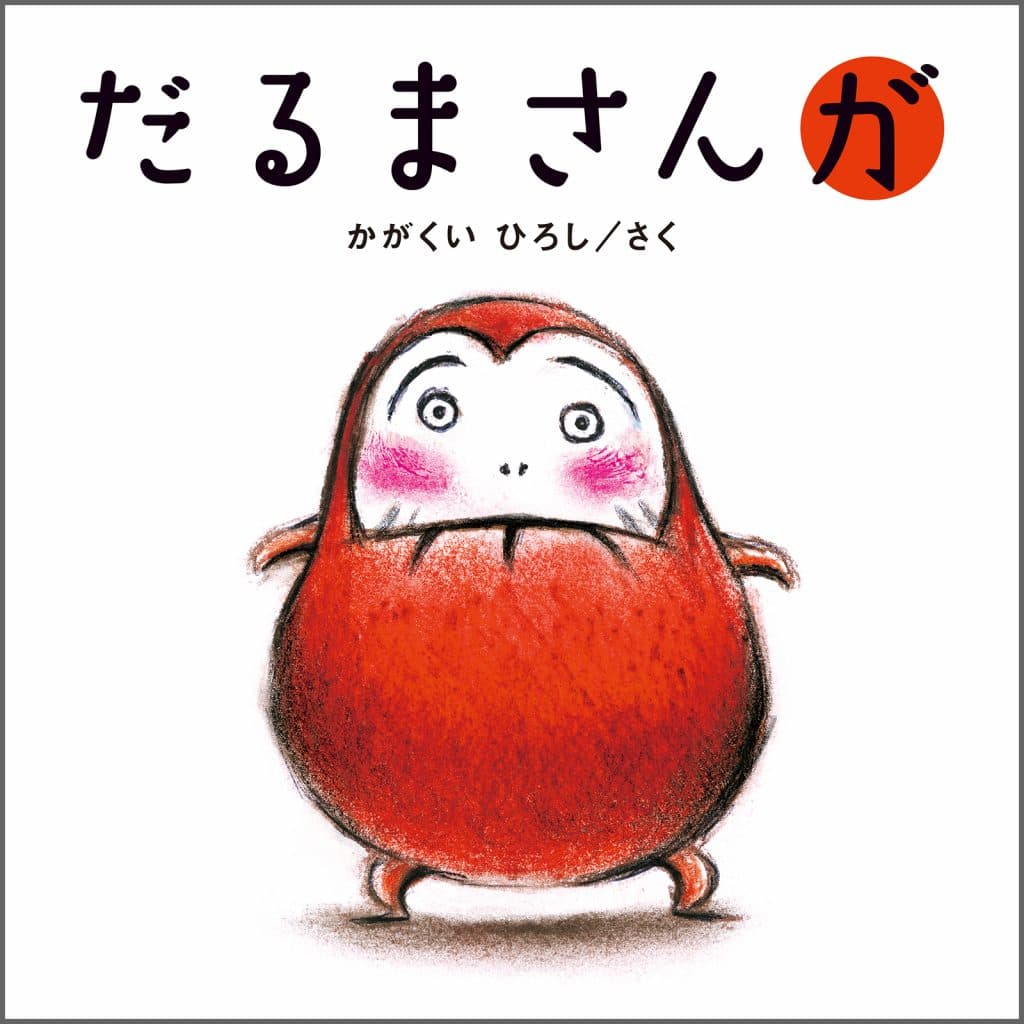
A round little daruma sways side to side, then surprises you on every page turn. Parents on Japan's 絵本ナビ consistently describe babies laughing out loud and asking for it again.
Đang đặt dấu trang…

Japanese picture books for the whole family
Real, published Japanese picture books, chosen and introduced for parents: verified edition details, a summary of what readers report, and NIPIKO Books's editorial view — kept clearly apart.
0–3 yrs
A round little daruma sways side to side, then surprises you on every page turn. Parents on Japan's 絵本ナビ consistently describe babies laughing out loud and asking for it again.
1–4 yrs
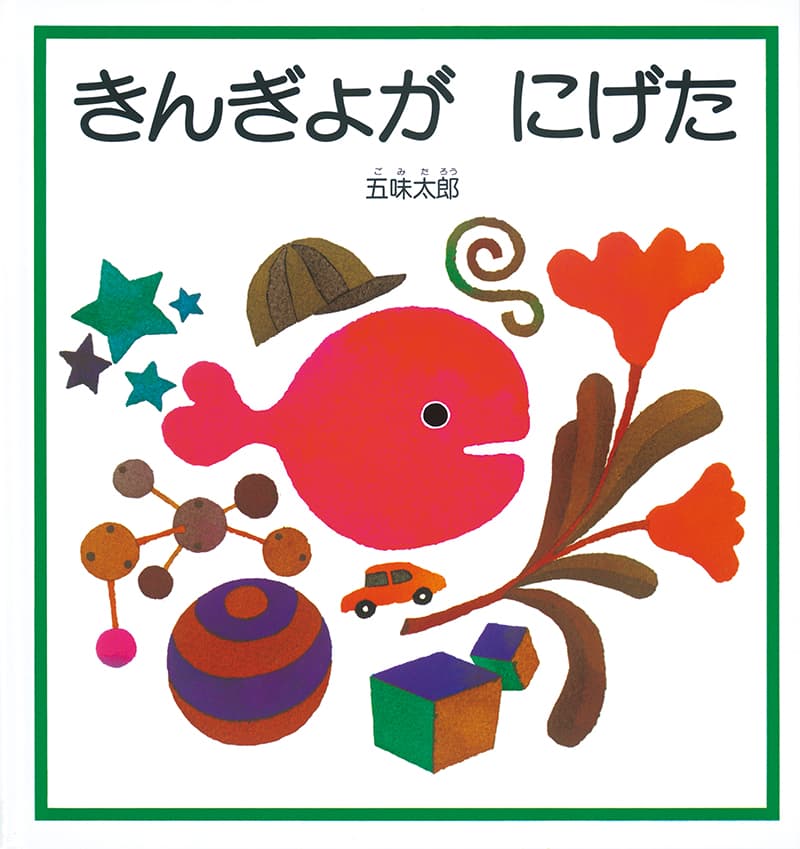
A goldfish leaps out of its bowl and hides all around the house. Parents on 絵本ナビ describe even very young children pointing to find it and asking for the book for years.
1–4 yrs
A little polar bear makes hotcakes and shares them with a friend. Parents widely report that children pick up the sound words from the cooking pages almost immediately, and then want to cook for real.
3–6 yrs
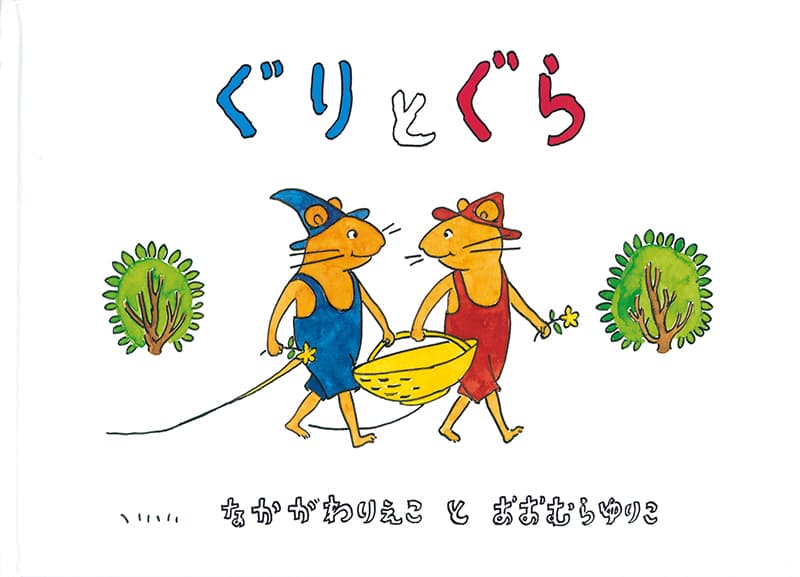
Two cooking-mad field mice find an enormous egg in the forest. A 1967 classic that many Japanese parents and grandparents remember from their own childhood and now share again.
0–3 yrs
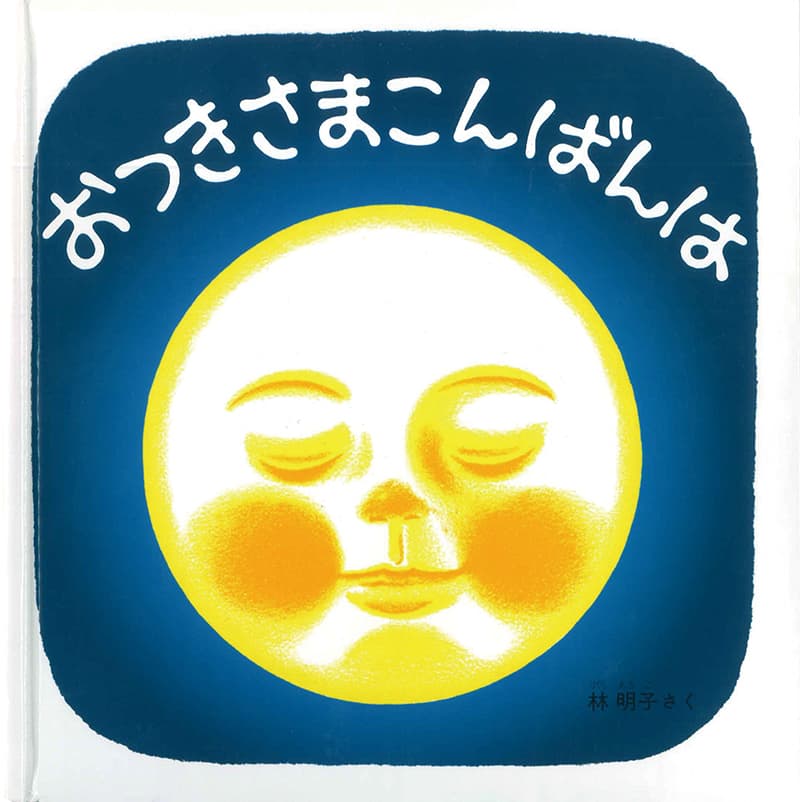
Akiko Hayashi's classic baby book (Fukuinkan Shoten, 1986): a round golden moon rises over a rooftop, is hidden by a cloud, then returns smiling. A tiny, calm story well suited to bedtime with babies and toddlers up to about 3.
1–5 yrs
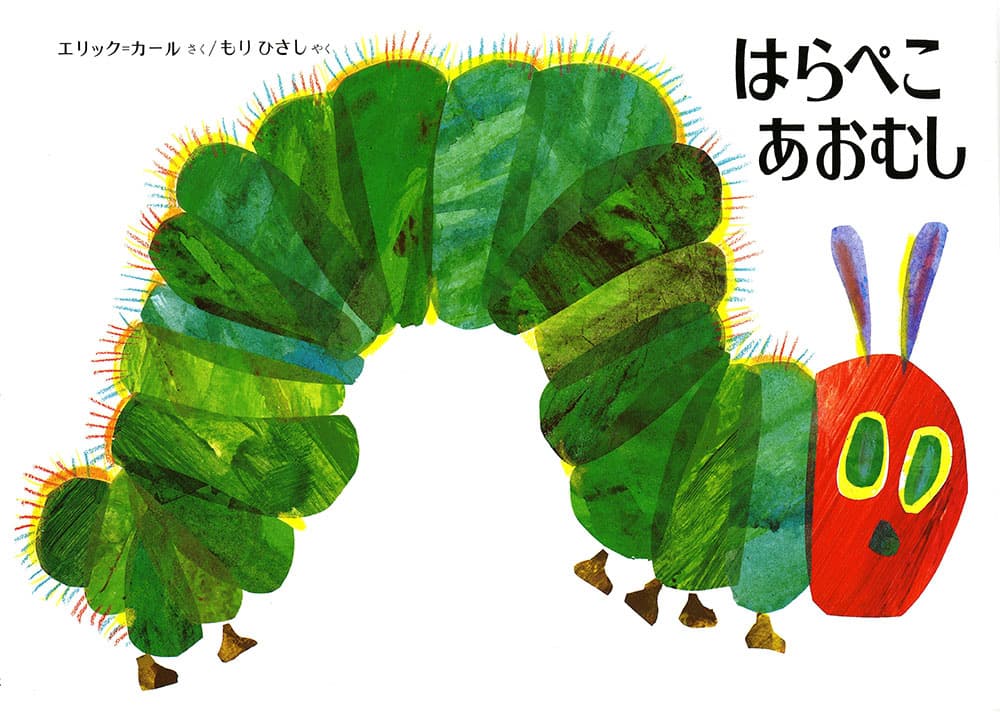
The Japanese edition of Eric Carle's The Very Hungry Caterpillar (Kaiseisha, translated by Hisashi Mori). A tiny caterpillar eats its way through the week, with die-cut holes to poke and gentle counting and days of the week.
0–2 yrs
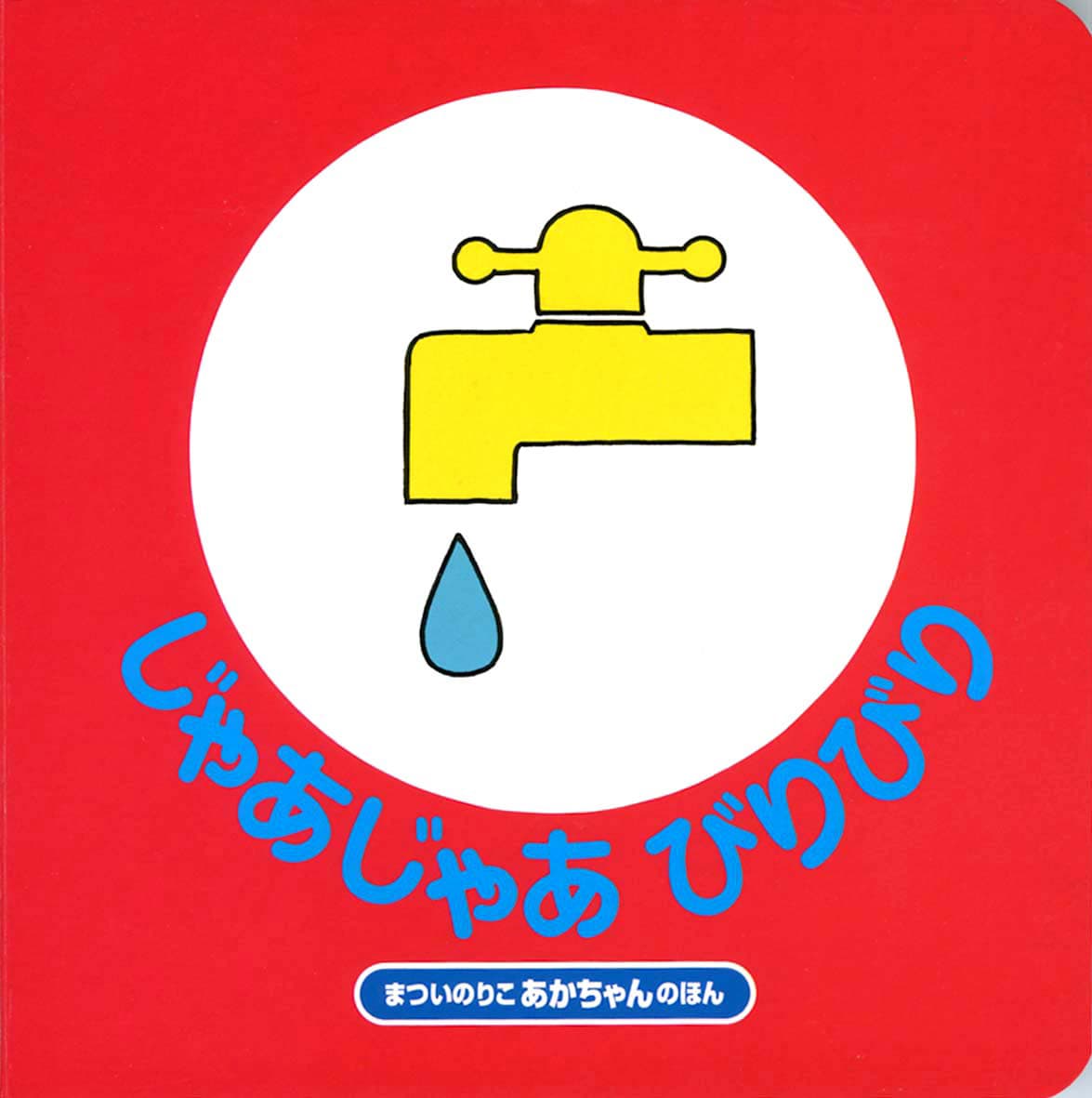
Noriko Matsui's baby book (Kaiseisha) introduces everyday things through Japanese sound words like jaa-jaa for running water and biri-biri for tearing paper. A small, sturdy board book that families often choose as a first book.
0–2 yrs
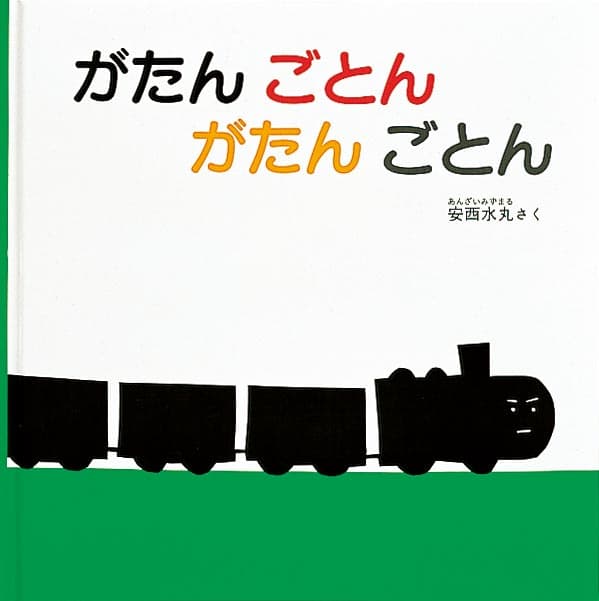
Anzai Mizumaru's 1987 small square picture book follows a little train that picks up a baby's everyday things, station by station. With very few words and a strong repeating beat, many Japanese families choose it as a first book.
3–7 yrs
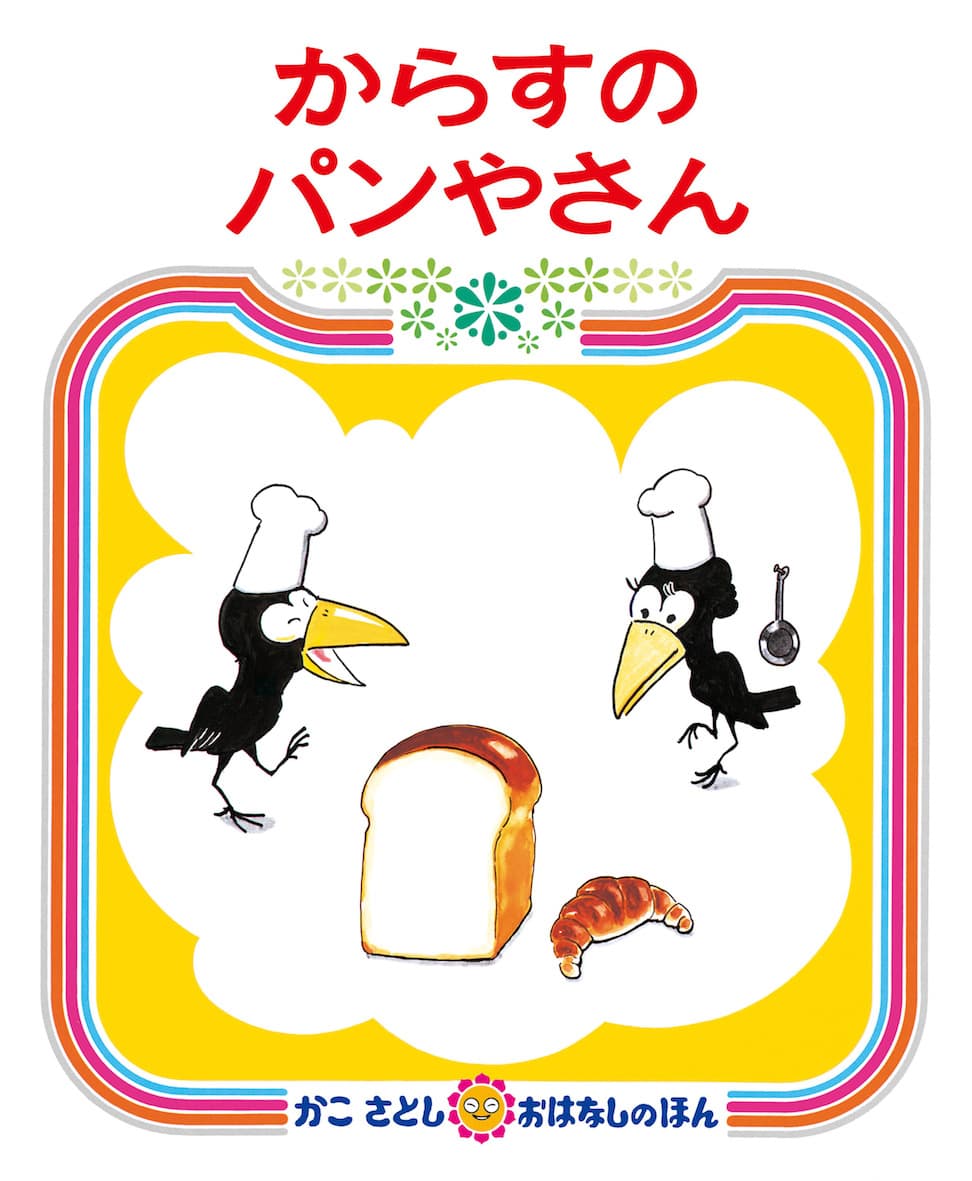
Kako Satoshi's 1973 classic about a family of crows who run a bakery while raising four chicks, and end up baking dozens of wonderfully shaped breads. A good fit for children who love food and hunting for details.
2–4 yrs
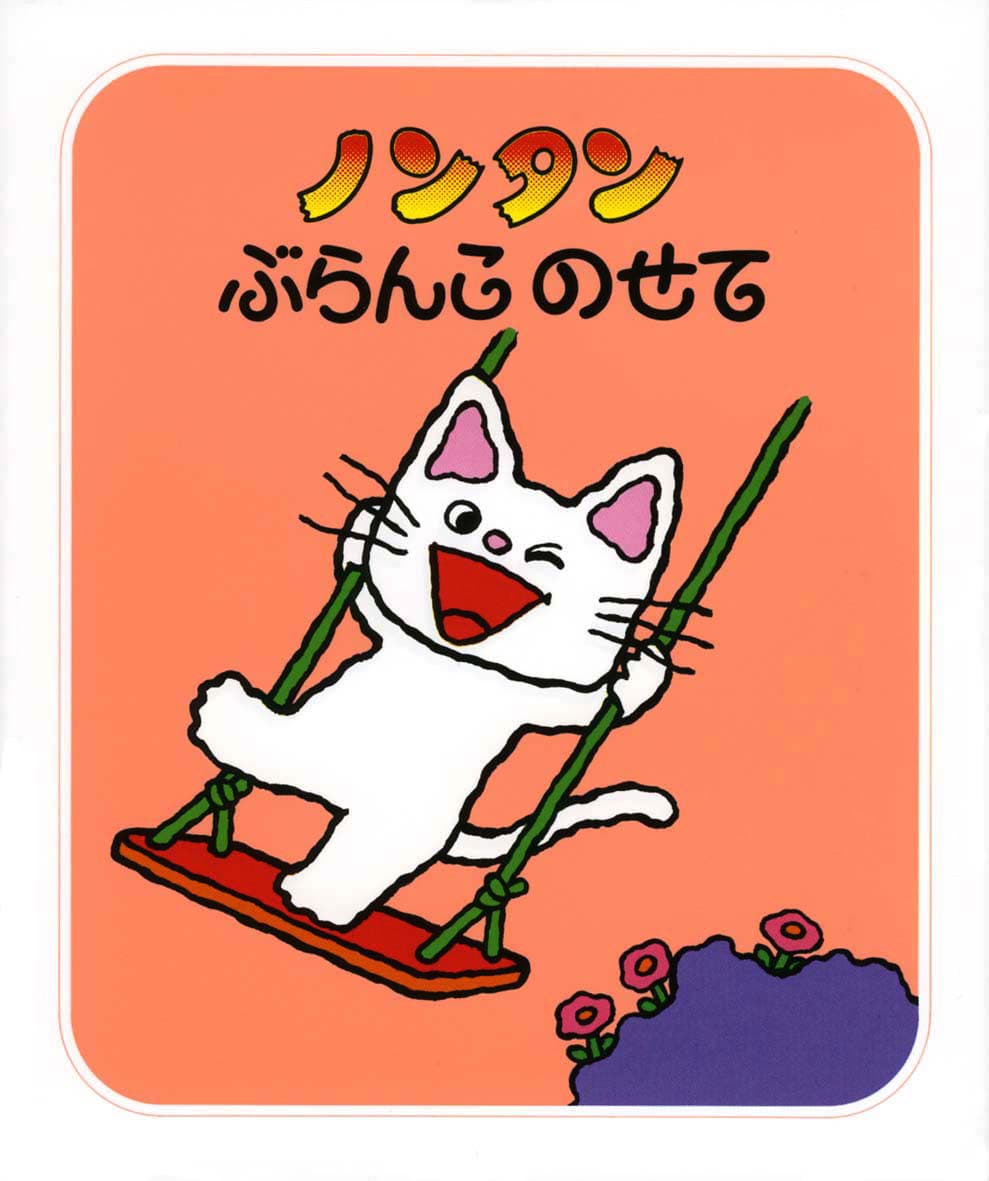
The first Nontan book (Kaisei-sha, 1976) by Kiyono Sachiko. Nontan the kitten hogs the swing and won't give his friends a turn. A short, rhythmic story that helps children aged 2 to 4 think about waiting their turn and counting.
3–7 yrs
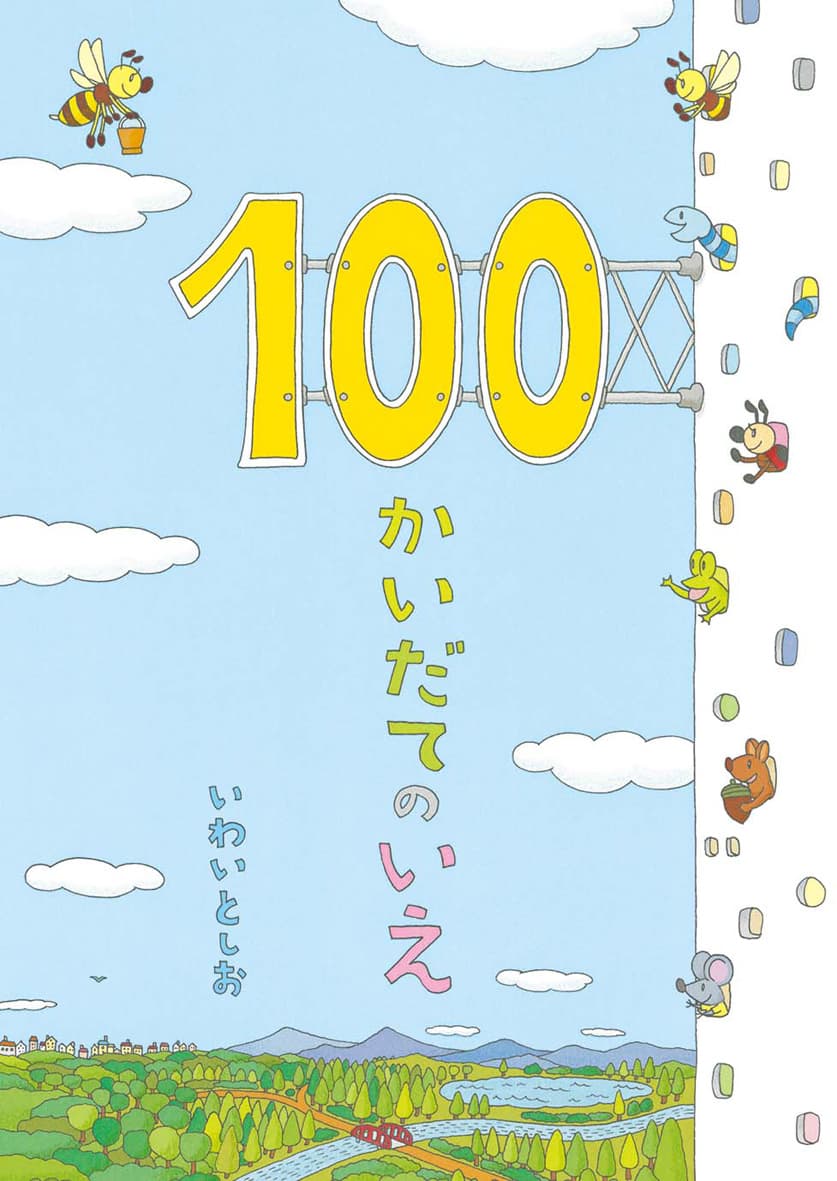
Iwai Toshio's tall, vertically opening picture book follows a boy up a mysterious 100-storey house, meeting a new kind of creature every ten floors and counting all the way to the top.
3–7 yrs
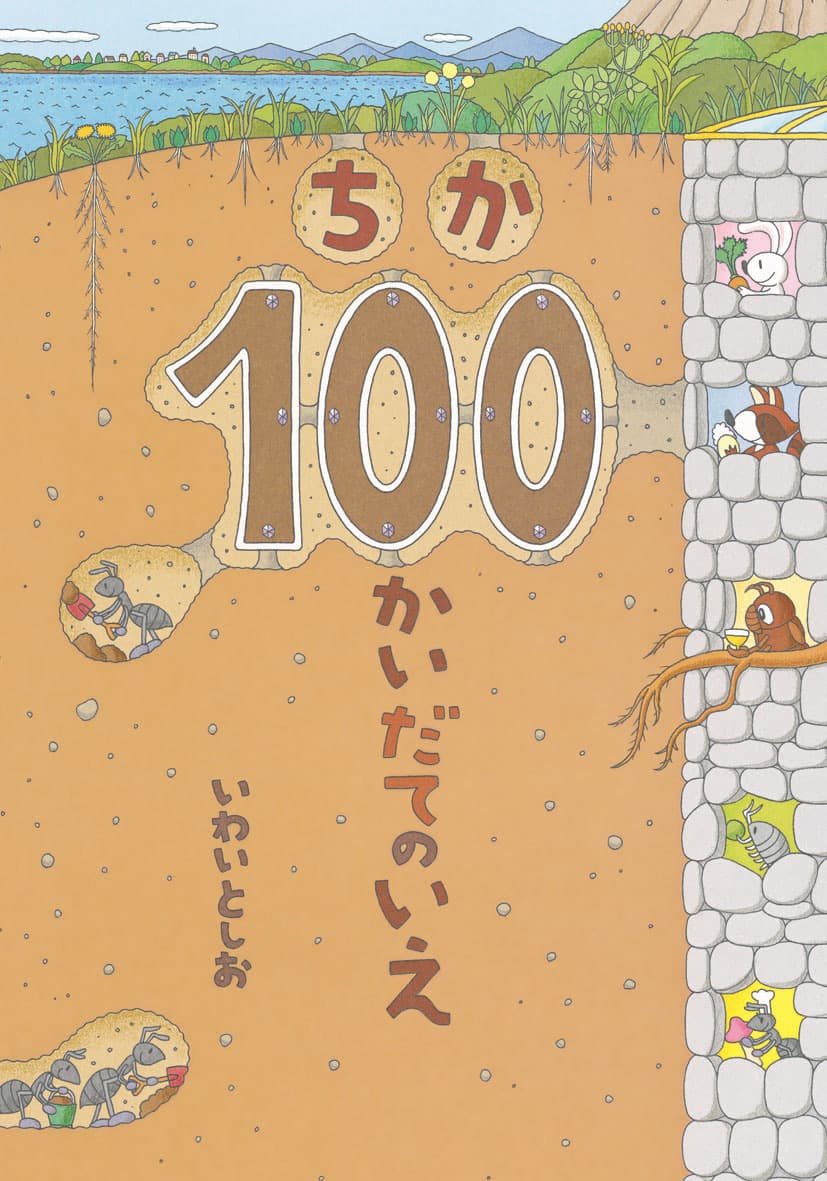
The second book in Iwai Toshio's vertical series sends a girl down a 100-storey house beneath the ground, past the homes of insects and small burrowing creatures, counting each floor on the way.
3–7 yrs
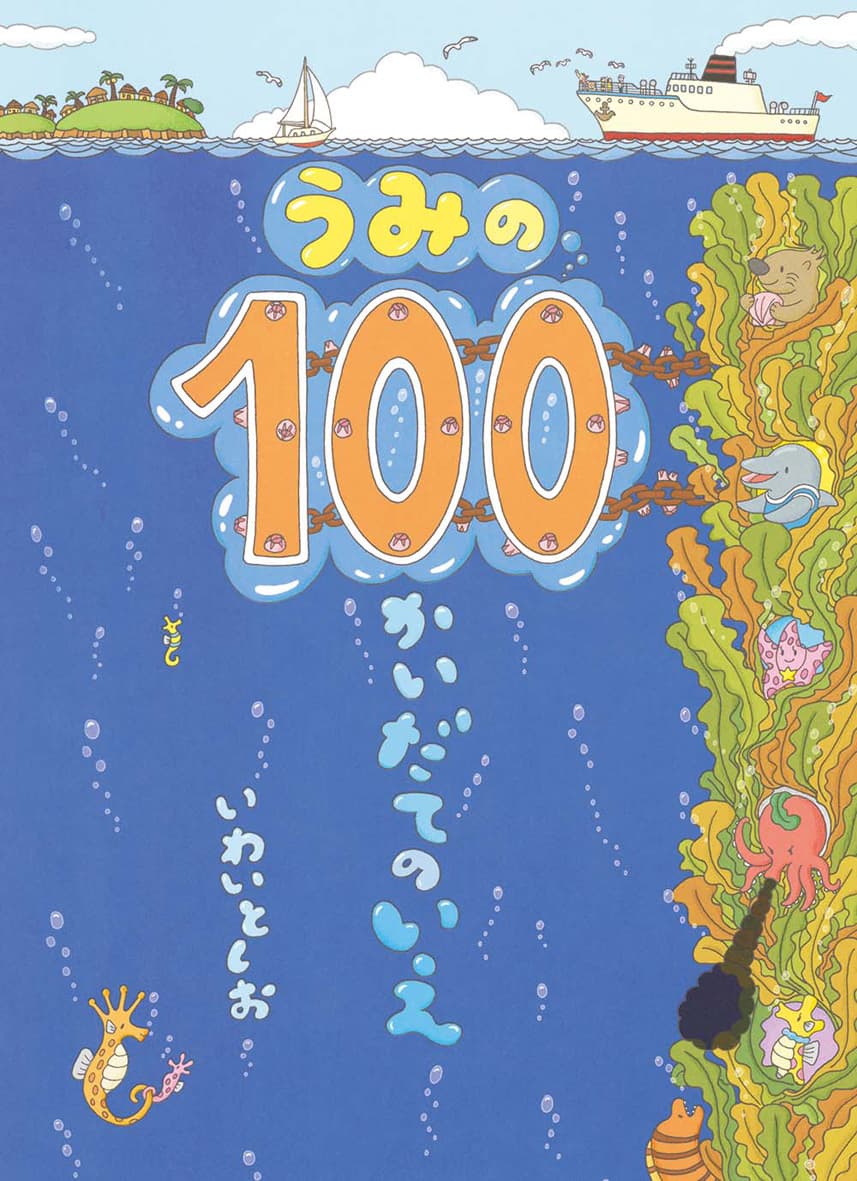
In the third of Iwai Toshio's vertical picture books, a doll named Ten-chan falls from a ship into the sea and passes through a 100-storey house of sea creatures, with detail to search and floors to count.
3–8 yrs
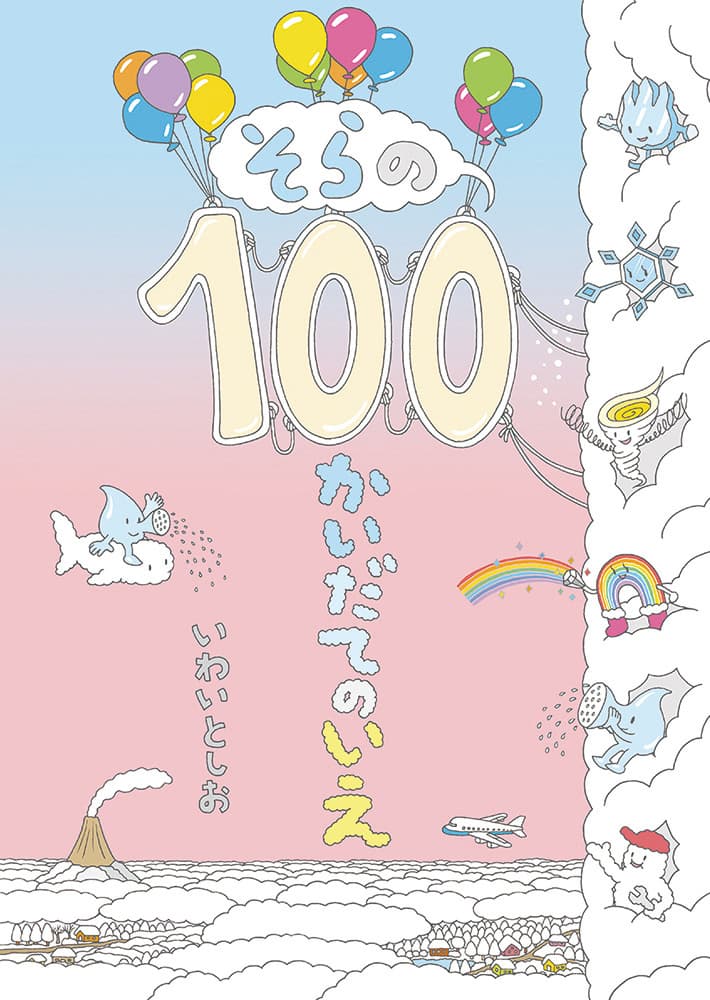
The fourth book in Toshio Iwai's 100かいだてのいえ series moves the 100-storey house into the sky, where the residents are clouds, rain, rainbows and thunder. A detailed, vertical-format book made for slow looking and counting together.
3–8 yrs
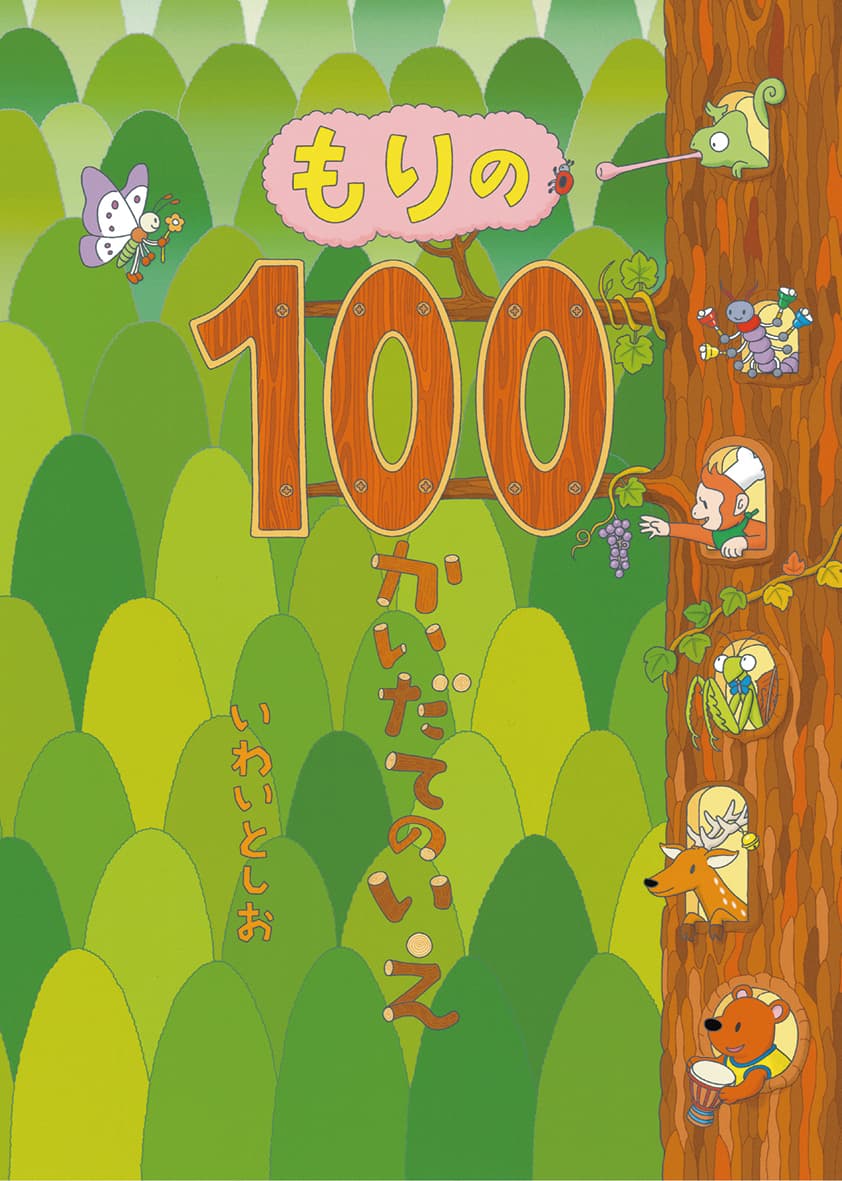
The fifth 100かいだてのいえ book sets the 100-storey house inside a giant forest tree, home to animals, insects and birds who each have their own instrument. A detailed, vertical-format picture book with a music theme.
4–8 yrs
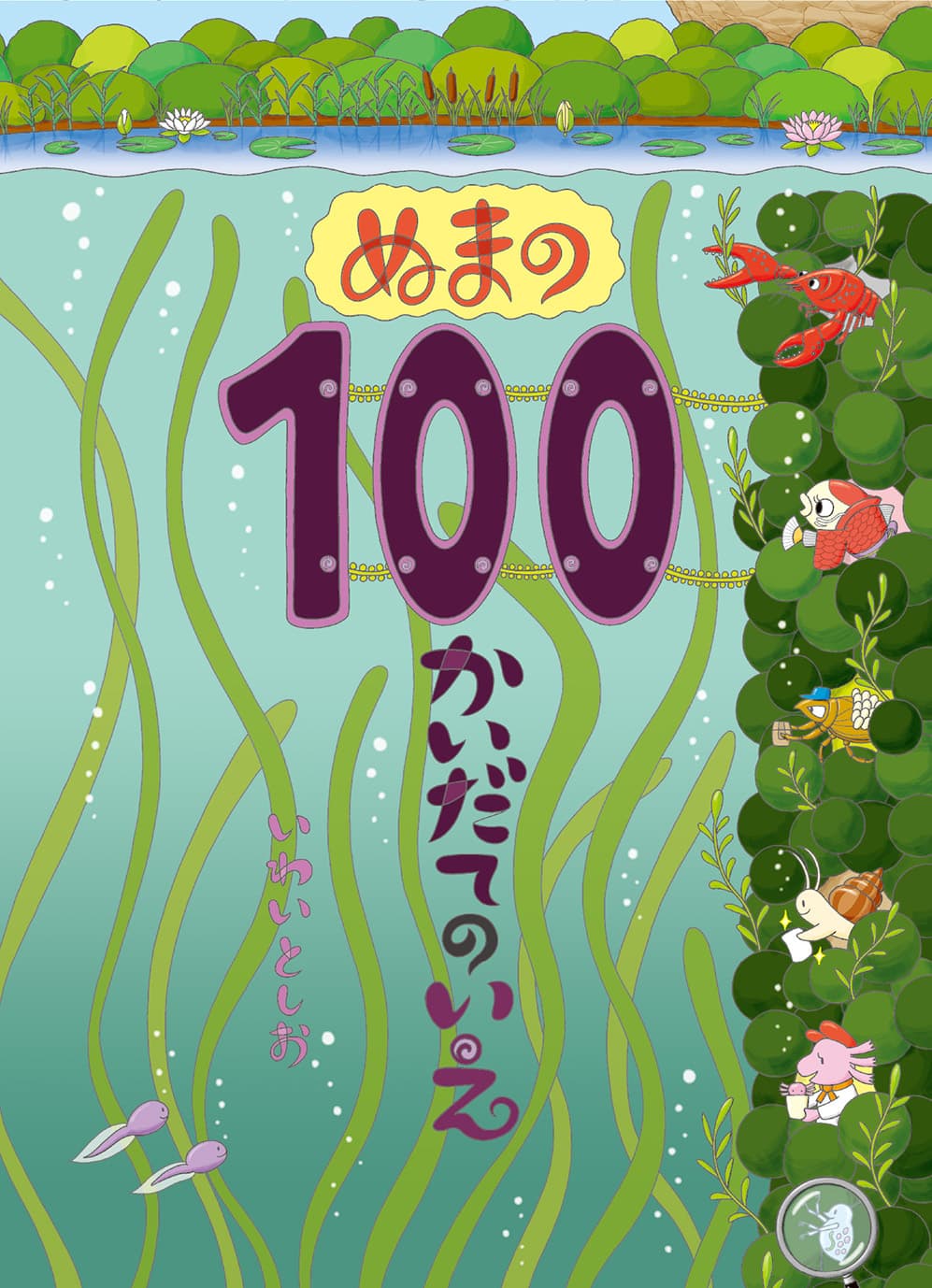
The sixth 100かいだてのいえ book takes the series to the bottom of a pond, where carp, crayfish, soft-shelled turtles and many lesser-known freshwater creatures live. Detailed, vertical-format pages that spark curiosity about nature.